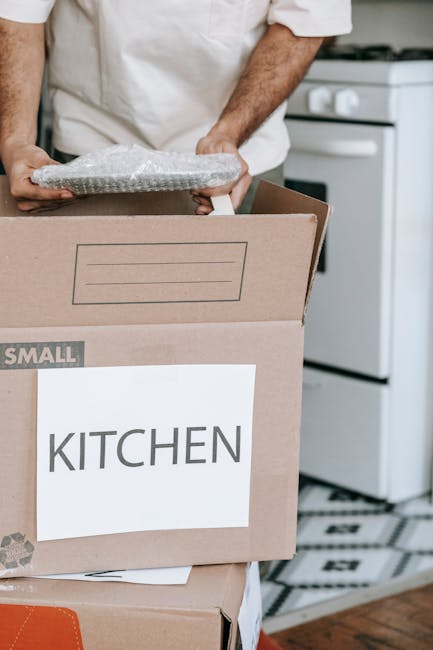
Guide to moving bulky items between flats safely in the UK
Moving a sofa, wardrobe, bed frame, or even a washing machine between flats can feel oddly harder than moving house itself. Stairwells are tight, lifts are small, and one awkward turn can scratch a wall or leave you with a strained back. This guide to moving bulky items between flats safely in the UK walks you through the safest way to plan, lift, protect, and transport large items without turning a straightforward job into a stressful one. Whether you are moving across the hall or across town, the same basics apply: measure properly, protect the route, use the right people and equipment, and do not rush it. Simple enough on paper. In real life, not always.
If you are trying to decide whether to do it yourself or bring in help, you will also find practical guidance on costs, common risks, and when a professional man and van service or a specialist team makes more sense than wrestling with the thing yourself.
Table of Contents
- Why this matters
- How the process works
- Key benefits
- Who it is for
- Step-by-step guidance
- Expert tips
- Common mistakes
- Tools and resources
- Law, compliance and best practice
- Options and comparison
- Real-world example
- Practical checklist
- Conclusion
- Frequently asked questions
Why Guide to moving bulky items between flats safely in the UK Matters
Bulky items are difficult because they are not just heavy; they are awkward, rigid, and often unforgiving. A flat move usually adds extra complications: narrow communal corridors, staircases with landing turns, old Victorian buildings with tight bends, modern apartment blocks with small lifts, and neighbours who would very much prefer not to hear a wardrobe thudding into the banister at 8am.
Safety matters for three reasons. First, there is the obvious injury risk. Large items can tip, slip, trap fingers, or twist your back if you try to carry them the wrong way. Second, there is property damage. It only takes one corner to scrape a freshly painted wall or crack a glass panel. Third, there is time. A move that should take an hour can easily stretch into an afternoon if you are improvising. To be fair, most people only realise this once the item is already halfway through a doorway.
There is also a practical UK reality to think about. Flat access varies hugely from building to building. Some blocks have good lifts, booked service bays, and wide fire doors. Others have awkward internal steps, no parking outside, and a hallway you would not want to turn a dining table through at all. The safest approach is to plan as if every inch matters - because it usually does.
Expert summary: If a bulky item cannot be carried confidently by two people, through the route you actually have, without twisting, squeezing, or guessing, it is safer to slow down, measure again, and use proper moving protection or professional help.
How Guide to moving bulky items between flats safely in the UK Works
The process is less about brute strength and more about sequence. In good moves, the item is never handled more than necessary. The route is cleared before lifting. Measurements are checked before the first strap goes on. And the right tools are ready before anyone bends down. That sounds obvious, but let's face it, most damage happens when someone decides they can "just about" manage it.
A safe flat-to-flat bulky item move usually follows this pattern:
- Assess the item. Identify weight, dimensions, fragile parts, detachable sections, and any awkward shapes such as handles or feet.
- Measure the route. Door widths, hallway corners, lift size, stair landings, ceiling height, and any outside obstacles should all be checked.
- Choose the moving method. This might be a two-person carry, furniture dolly, sack truck, stair slider, or a professional removal van with the correct equipment.
- Protect the property. Use blankets, corner protectors, gloves, and floor protection where needed.
- Move with control. Keep the item balanced, communicate clearly, and stop if the route becomes unsafe.
- Reassemble and place carefully. Set the item down gently, then check for damage before removing wraps and straps.
For people who want a hands-off option, using a service such as flat removals can be a sensible choice, especially if stairs, parking restrictions, or heavy furniture are part of the job.
Key Benefits and Practical Advantages
Doing bulky-item moves properly is not just about avoiding accidents. It makes the entire move feel calmer. You notice it in small ways: fewer stops, less shouting up and down stairs, and a lot less "wait, pivot, no, the other way".
- Reduced injury risk for you, your neighbours, and anyone helping.
- Less damage to walls, floors, bannisters, lifts, and the item itself.
- Faster completion because the route and equipment are prepared.
- Better control when items need to be turned, tilted, or lifted over thresholds.
- Less stress on moving day, especially in busy buildings.
- More predictable costs if you avoid emergency fixes or replacement damage.
There is also an emotional benefit people do not talk about enough: you feel in control. That matters. Moving furniture around a flat can be strangely draining, especially if you are doing it after work or between tenancy deadlines.
Who This Is For and When It Makes Sense
This guide is for renters, homeowners, landlords, tenants moving out of a flat, people rearranging rooms inside an apartment, and anyone buying second-hand furniture that needs to go upstairs without drama. It is also useful if you are handling a one-off bulky item move between neighbouring flats in the same block.
It makes particular sense if you are moving:
- sofas and corner sofas
- beds, mattresses, and divan bases
- wardrobes and large wardrobes with mirrored doors
- washing machines, fridge-freezers, and tumble dryers
- dining tables and heavy desks
- pianos, large cabinets, or exercise equipment
If the item is especially delicate, very heavy, or valuable, a specialist option may be better. For example, piano removals is a better fit for instruments than a general carry, because pianos need careful balancing and the right lifting approach. Likewise, if you only need to shift a single item rather than move a whole flat, furniture pick up or furniture removals may suit you better than a full-scale move.
Step-by-Step Guidance
1. Measure the item and the route
Start with the actual item, not the estimate in your head. Measure height, width, depth, and any protruding parts. Then measure the narrowest parts of the route: door frames, stairwells, lift doors, lift interiors, landings, and turns. A tape measure is a small thing, but honestly, it saves a lot of grief.
2. Clear the path completely
Remove shoes, mats, loose boxes, plant pots, and anything else that might catch a foot or trolley wheel. Open doors if you can do so safely. If the move is in a shared corridor, be respectful and avoid blocking access for neighbours longer than necessary.
3. Check building rules before you start
Some flats have lift booking rules, service access arrangements, or quiet-hour expectations. In blocks with management companies or concierge teams, it is worth asking in advance rather than assuming. You do not want to discover at the last minute that the lift is reserved for another move. Classic moving-day chaos.
4. Disassemble where possible
Take off table legs, remove shelves, empty drawers, detach mirrors, and secure loose fittings. A wardrobe that looks impossible in one piece can suddenly become very manageable in parts. Keep screws and fittings in labelled bags so reassembly does not turn into a treasure hunt.
5. Protect the item and the property
Wrap corners, use moving blankets, and place floor protection where needed. For glass, marble, or polished surfaces, use extra padding. Gloves improve grip and reduce the chance of slipping hands, especially on smooth varnished wood.
6. Use the right carrying method
For lighter bulky items, two-person carrying may be enough. For heavier items, use a sack truck or furniture dolly where the route allows it. For stairs, use controlled lifting, not a rushed tug. The person at the lower end usually carries more of the weight, so keep communication clear and slow.
7. Move slowly through corners and stairs
Turns are where problems happen. Agree on commands before you begin: stop, lift, lower, pivot. Say them out loud. It feels a bit formal at first, then you realise it works. If the item needs a strange angle to clear a landing, pause and reassess rather than forcing it.
8. Set it down carefully and inspect
Once inside the destination flat, place the item in its final room or a safe holding spot. Check for scratches, dents, loose joints, or damaged packaging before removing all protection.
Expert Tips for Better Results
Here is where a bit of experience pays off. The biggest difference between a smooth move and a painful one is usually not strength. It is planning, sequencing, and restraint.
- Empty bulky items before moving them. Drawers, shelves, and cupboards are much safer when not loaded.
- Use two people even when it "should" be fine solo. One extra pair of hands can prevent a very expensive wobble.
- Protect floors before you move, not after. Once a scratch appears on laminate, it is hard to ignore.
- Check parking and unloading access. If the vehicle has to stop far away, your carrying distance increases fast.
- Measure corners, not just doorways. Lots of items pass through doors but fail at the turn immediately after.
- Keep a toolkit close. Allen keys, screwdrivers, tape, and a marker pen are tiny heroes on moving day.
If you are hiring help, it is worth choosing a team with proper operational standards. Pages like insurance and safety, health and safety policy, and terms and conditions can give you a useful sense of how a company handles risk, care, and expectations. That kind of detail matters more than a flashy promise.
One more thing: do not underestimate the value of a calm first ten minutes. If you begin hurried, everything feels harder. If you begin methodically, the whole move tends to settle down.
Common Mistakes to Avoid
Most moving problems are not mysterious. They are predictable. The trouble is that they often feel manageable right until they are not.
- Skipping measurements. Guessing the width of a wardrobe through a narrow hallway is not a strategy.
- Trying to force awkward items through tight spaces. If it does not fit, it does not fit. Forcing it usually creates damage.
- Lifting with a bent back. Use your legs and keep the load close to your body.
- Ignoring the building layout. Old flats can hide sharp turns, low ceilings, and uneven steps.
- Moving with poor communication. Two people lifting without talking is how mistakes happen.
- Leaving loose parts attached. Mirrors, legs, and shelves should be secured or removed.
- Overloading yourself on a staircase. One trip is not worth a fall.
A very common one: forgetting to clear the route at the destination flat. You finally get the item through the door, and then you realise the hallway is full of coat stands, shoes, and a pram. Slightly ridiculous, but absolutely normal. Just clear it first.
Tools, Resources and Recommendations
You do not need a warehouse full of equipment, but a few basic tools make a big difference.
| Tool or item | What it helps with | Best used for |
|---|---|---|
| Measuring tape | Checking the item and route fit | Doors, lifts, corridors, furniture dimensions |
| Moving blankets | Protecting surfaces from scratches and knocks | Sofas, wooden furniture, appliances |
| Furniture straps | Improving grip and control | Heavy or awkward items |
| Sack truck or dolly | Reducing manual carrying | Appliances and boxed items |
| Gloves | Better grip and hand protection | All bulky-item moves |
| Tape and labels | Keeping parts and hardware organised | Disassembly and reassembly |
For moves involving multiple pieces, packing support can be useful too. A well-organised set of boxes and protective wrap is often the difference between an orderly move and a lot of searching later. If you need help preparing items, packing and boxes or even packing and unpacking services can save time and reduce mistakes.
And if the job is too big for a regular car but not big enough to justify a full removal truck, a removal van can be a practical middle ground. Some people also prefer the flexibility of removal services when they want the handling side of the move taken care of properly.
Law, Compliance, Standards, or Best Practice
For bulky-item moves in the UK, the key point is not to pretend there is one magic rulebook for every building. There is common-sense best practice, and then there are building-specific requirements. If you live in a managed block, follow the building's access rules, lift booking procedures, and fire escape guidance. If you are moving during a tenancy, check what your landlord or agent expects for corridor use and damage reporting.
From a safety point of view, the general standard is simple: avoid unsafe manual handling. That means not lifting more than you can control, not twisting under load, and not taking shortcuts that increase the chance of injury. Employers have formal duties here, but even for a one-off home move, the same common-sense principles apply. If a lift or stairwell feels unsafe for the item, stop and rethink the plan.
Insurance is another practical consideration. If you hire help, ask what is covered and what is not. Good operators will be clear about handling care, transit, and any exclusions. That is one reason pages like pricing and quotes and payment and security can be useful before you book anything. It is not just about the number; it is about understanding what you are actually paying for.
Environmental best practice can matter too. If an item is damaged beyond reasonable repair, consider whether it can be reused, donated, or responsibly recycled rather than simply dumped. The easiest thing in the world is to say "we'll sort it later"; later, of course, tends to vanish.
Options, Methods, or Comparison Table
Different bulky items call for different approaches. The right method depends on weight, shape, route, and how much risk you are willing to take on yourself.
| Method | Best for | Pros | Limitations |
|---|---|---|---|
| DIY two-person carry | Lighter bulky furniture | Low cost, simple, quick | Higher strain, less control on stairs |
| Sack truck or dolly | Appliances, boxed items | Reduces lifting, improves stability | Hard to use on uneven stairs |
| Professional man and van | Single items or small flat moves | Flexible, efficient, less stress | Still needs good access planning |
| Full removal team | Multiple bulky items or difficult access | Best for heavy, awkward, or fragile loads | Usually more expensive |
For someone moving one sofa between flats on the same street, a flexible service like man with a van may be enough. For a larger move with several bulky pieces, removal companies or a more tailored removal van setup may be the safer call. If your move is at short notice, same day removals can also be worth considering, provided access and timing are realistic.
Truth be told, the cheapest option is not always the cheapest once damage, delays, or an aching back enter the picture.
Case Study or Real-World Example
A very typical situation: a tenant in a first-floor flat needs to move a three-seat sofa and a heavy wardrobe into a second-floor flat in the same building. The lift is small, the stairwell has one tight bend, and the hall outside both flats is narrow. Nothing outrageous, but awkward enough.
In practice, the safest approach would be to measure both items before moving day, remove the wardrobe doors and shelves, wrap the sofa arms, and check that the lift is usable for the sofa after the other furniture is cleared. The team would then plan the order carefully: wardrobe parts first, sofa second, with one person guiding at the corners and one person stabilising from behind.
The thing people often miss in this kind of move is not the lifting. It is the turning. The bend at the stair landing usually matters more than the item's weight. One small pause at the landing, one careful pivot, and suddenly the whole job feels manageable. Rush that moment and you risk scuffing the wall or trapping a hand.
In similar situations, some customers prefer to combine the move with wider support from house removals or home moves if they are shifting several pieces at once. Others use storage when the new flat is not ready for every item immediately. That can take pressure off a very tight moving day.
Practical Checklist
Use this before moving any bulky item between flats.
- Measure the item accurately.
- Measure doors, corridors, stairs, and lifts.
- Check building rules and access times.
- Confirm parking or unloading access.
- Clear the route at both properties.
- Remove loose parts, shelves, and drawers.
- Wrap fragile corners and surfaces.
- Use gloves, straps, or a dolly where helpful.
- Assign one person to lead and one to steady the load.
- Move slowly around turns and on stairs.
- Do not force an item through a space that is too small.
- Inspect the item and the property after the move.
Quick tip: If you are still unsure after measuring, take the safer route and arrange help. A good move feels boring in the best possible way. No drama is usually a sign you planned it well.
Conclusion
Moving bulky items between flats safely in the UK is mostly a matter of preparation, patience, and choosing the right method for the job. Measure first, clear the route, protect the property, and do not let confidence outrun caution. That is the whole game, really. Once the lifting starts, calm coordination matters far more than speed.
If your item is heavy, valuable, or difficult to manoeuvre, it is often smarter to bring in experienced help than to improvise. That is not over-cautious; it is sensible. And sensible usually saves time in the long run.
Get a free quote today and see how much you can save.
At the end of the day, the safest move is the one that gets everything where it needs to go, without the bruises, the scuffs, or the muttered apologies in the stairwell. That's a good day's work.
Frequently Asked Questions
What is the safest way to move a bulky item between flats?
The safest way is to measure the item and the route, clear all obstacles, use proper lifting technique, and bring the right equipment. If the item is very heavy or the route is tight, use professional help rather than forcing it.
Can I move a sofa upstairs by myself?
Usually, no. Even if the sofa is not extremely heavy, its shape makes it awkward and easy to lose control of on stairs. A second person is strongly advisable, and a professional service is often safer.
Do I need to disassemble furniture before moving it?
If possible, yes. Removing legs, shelves, doors, or mirrors makes bulky items easier to carry and reduces the chance of damage. Keep all fittings together in labelled bags so reassembly stays straightforward.
What should I measure before moving a wardrobe or bed?
Measure the item itself, then measure the narrowest parts of the route: door frames, stairwells, lift doors, lift interiors, and any sharp corners or landings. Many moves fail at the turn, not the door.
Is a removal van better than using a car for bulky items?
Yes, usually. A removal van gives you more space, better loading options, and safer transport for large items. It also reduces the temptation to cram everything in at awkward angles, which rarely ends well.
What if the item does not fit through the lift?
Do not force it. Reassess the route, look at alternative angles, check whether the item can be partially dismantled, or consider stairs and professional handling. Forcing a bad fit is one of the quickest ways to damage both item and building.
Are there special rules for moving in a flat block in the UK?
There may be building-specific rules, such as lift booking, delivery windows, or access instructions. Always check with the building management or landlord before moving day so you do not get caught out.
How can I avoid damaging walls and floors?
Use moving blankets, corner protection, gloves for grip, and floor covering where needed. Move slowly through narrow spaces and have one person guide the item at tight turns. Rushing is usually what causes damage.
When should I hire professional help instead of doing it myself?
Hire help if the item is especially heavy, expensive, awkward, or fragile, or if the route includes stairs, small lifts, or difficult parking. If you are unsure after measuring, that is usually your answer already.
Can same-day help be arranged for bulky-item moves?
Sometimes, yes. Same-day support can work for local bulky-item moves if the access is straightforward and the timing is realistic. It is best for quick, contained jobs rather than complex flat relocations.
What if I only need to move one item between flats?
Single-item moves are often better handled with a focused service rather than a full move. Depending on the item, options like furniture pick up or a man and van arrangement can be a practical fit.
Is it worth using storage if the new flat is not ready?
Yes, it can be a sensible short-term option if you need to stage the move. Storage reduces pressure and gives you space to move items in a safer order, rather than forcing everything through at once.
How do I know if a mover is trustworthy?
Look for clear service information, transparent pricing, and sensible safety guidance. Pages such as insurance and safety, health and safety policy, and pricing and quotes can help you judge whether the provider is organised and upfront.